Inside Entrepreneurs in the Wild: how we made an award-winning podcast
How a founder platform, a neon squiggle and a weekly operating system turned a first series into a Signal Award winner. The full story of making Entrepreneurs in the Wild.
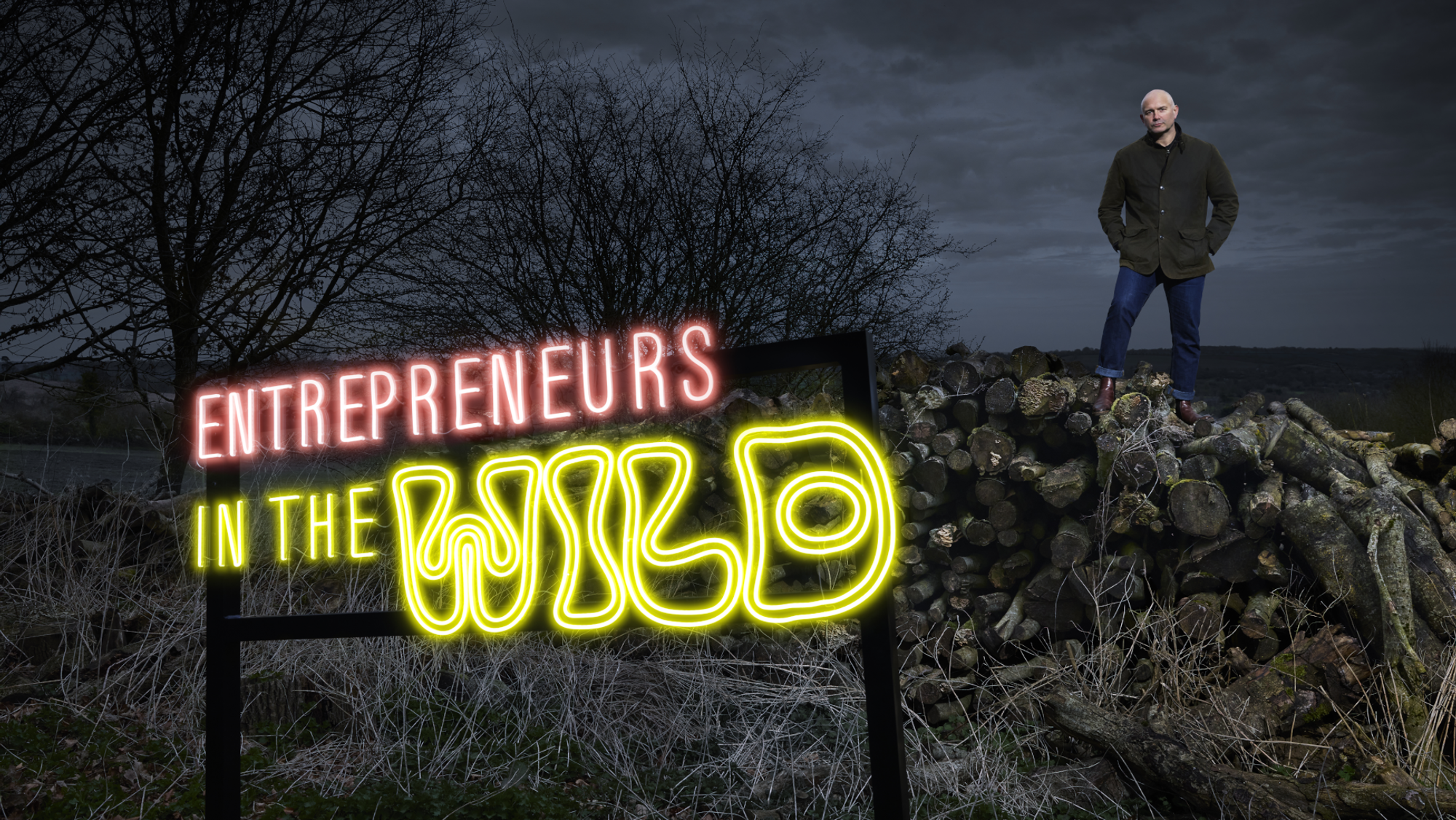
In 2024 Ian Millner, co-founder of Iris Worldwide, wanted to start a conversation about the entrepreneurial mindset: what makes someone challenge the status quo, and what the rest of us can learn from them. Addi London came in as executive producer with a wider brief than making episodes. Strategy, production, multi-channel rollout, and the profiling work around Ian himself were treated as one project from day one. The show is copyrighted to Ian, not the agency: a founder platform, built deliberately.
The premise
The show calls itself a search for entrepreneurial superpowers. Each week Ian invites a guest to the Wild Side to unpick exactly what made them do things differently. The tone was set early: Ian is a fellow traveller rather than a journalist, and the conversations wander into failure, psychology, money and luck rather than sticking to career highlights.
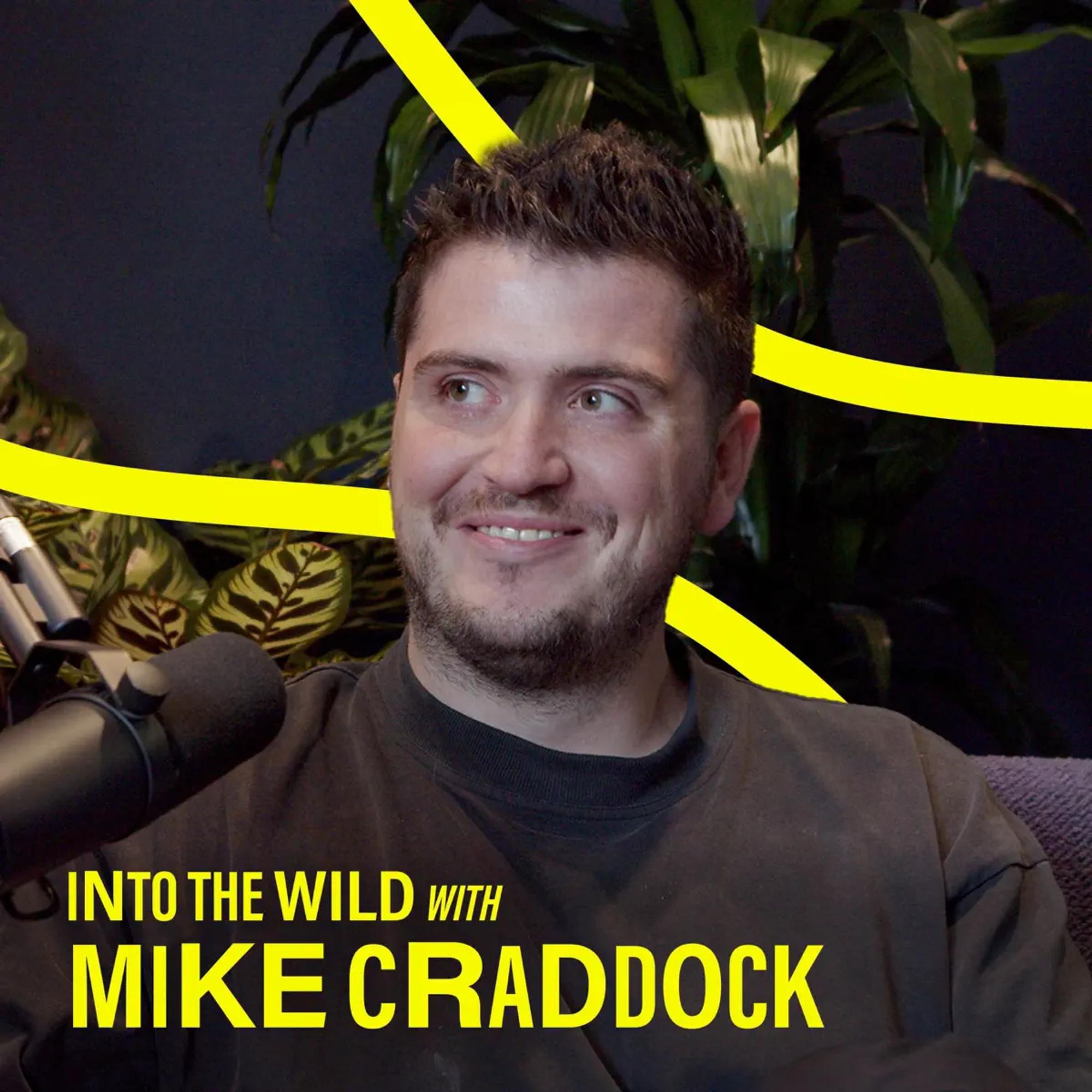
Guest selection did a lot of the work. Season one mixed advertising insiders with deliberate outsiders: the marketing lead for Samsung Mobile, a London Business School professor, a BGF investor, fashion event legend Sara Blonstein, NBA player turned organisational psychologist John Amaechi, gaming agency founder Mike Craddock, and VCCP co-founder Ian Priest, who now trains ex-offenders as bike mechanics in Brixton Prison. The inside-outside ratio kept it from becoming another advertising podcast.
The identity
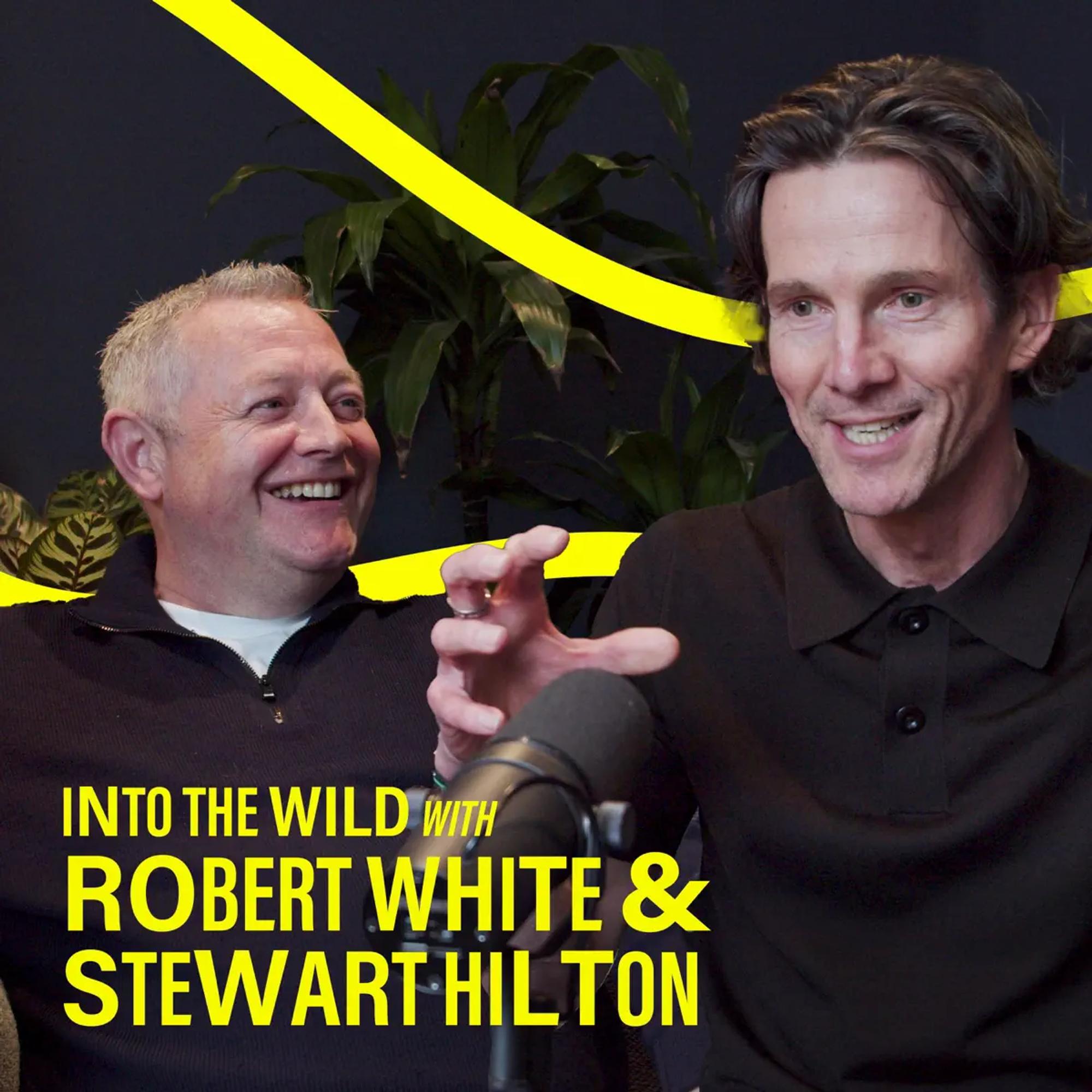
The visual world is built on a hand-drawn squiggle: the word WILD rendered as a tangled neon line that runs through every episode cover. For the campaign we took it literally and built the sign, planting glowing neon in a dark field with Ian stood on a log pile beside it. The artwork system carries one consistent layout per episode, guest portrait plus the squiggle plus the Into the Wild title treatment, so the feed reads as a body of work rather than a string of thumbnails.
The system behind it
Thirteen episodes shipped between April and July 2024 on a weekly cadence, each with full multi-channel rollout: audio everywhere via Acast, video on YouTube, cutdowns and stills for Instagram, TikTok and LinkedIn. The same operating system made the hard things fast. When Iris turned 25 that December, a three-part anniversary mini-series with ten senior Iris voices was scripted, recorded, edited and released in ten days, and picked up global PR coverage.
Alongside the show, Addi ran the profiling strategy for Ian himself: positioning, internal messaging and LinkedIn. The podcast fed the personal brand and the personal brand fed the podcast, which is the point of a founder platform.
The results
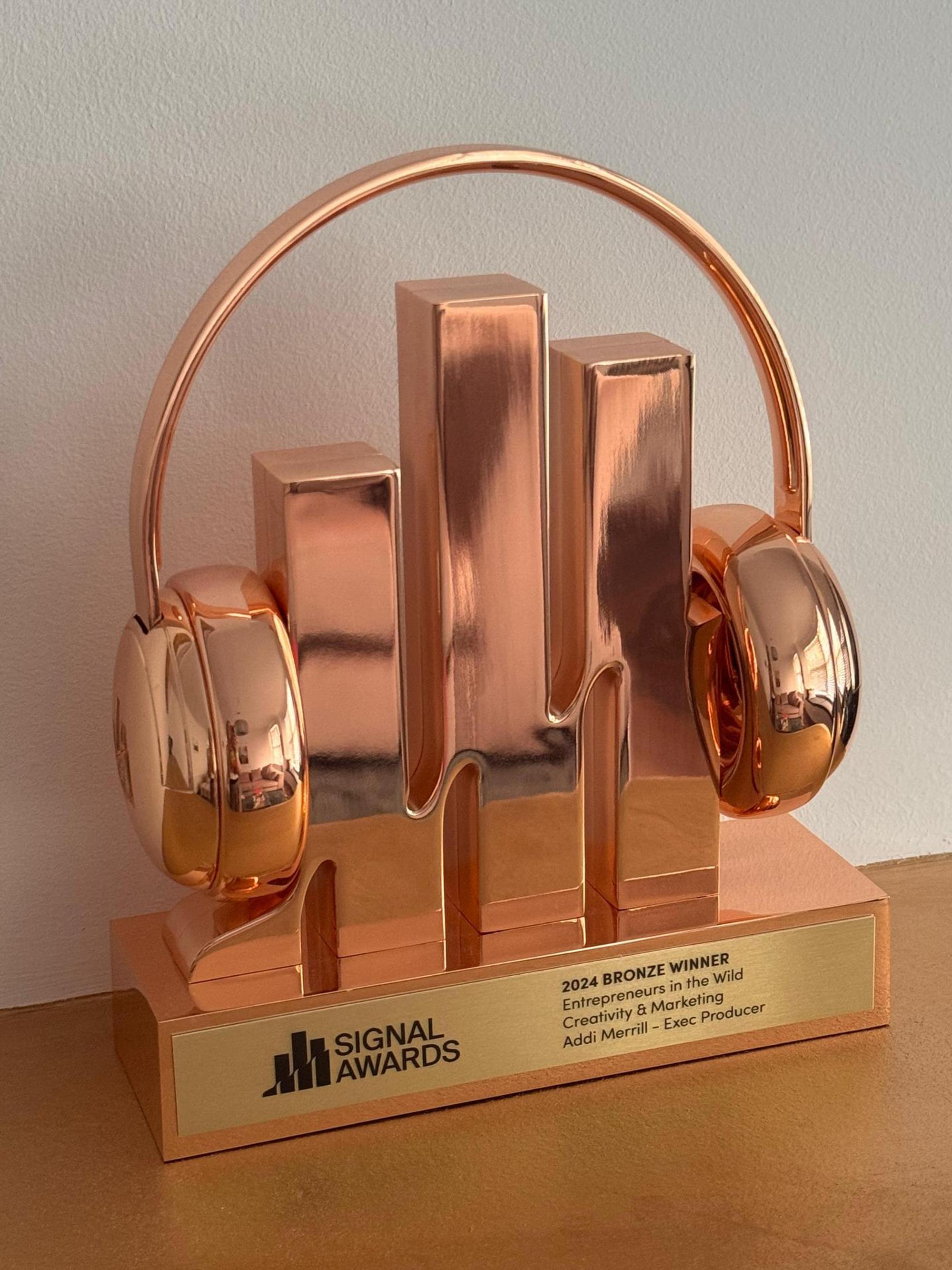
The show won bronze at the 2024 Signal Awards in the Creating and Marketing category, sharing a podium with some of the biggest professionally produced audio in the United States. It holds a five star rating on Apple Podcasts, and the episodes earned coverage from LBBOnline, Creative Salon and the trade press across two seasons.
The format proved durable enough to invert. In April 2026, when Ian announced he was stepping back from Iris after 26 years, the special edition flipped the chairs: LinkedIn creator Rob Mayhew, with an audience of 141,000, guest-hosted and interviewed Ian about building a 100 million dollar global creative business from a challenger start-up. Recorded in New York, it became the farewell piece the industry press wrote about.
Seventeen episodes, an award, and a platform that outlived its host’s tenure at the company that powered it. That is what strategy, production and profiling look like when they are run as one system.
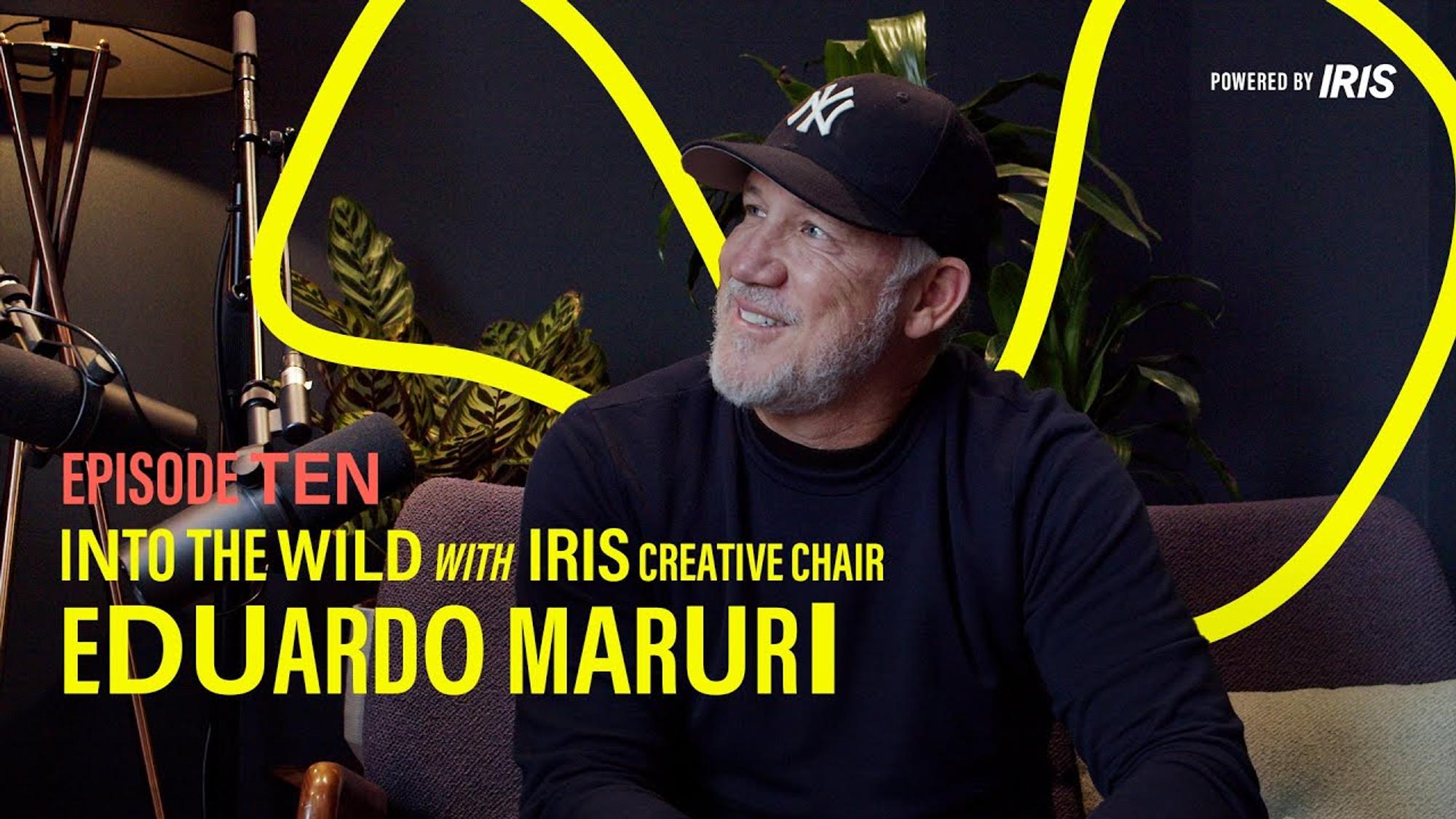
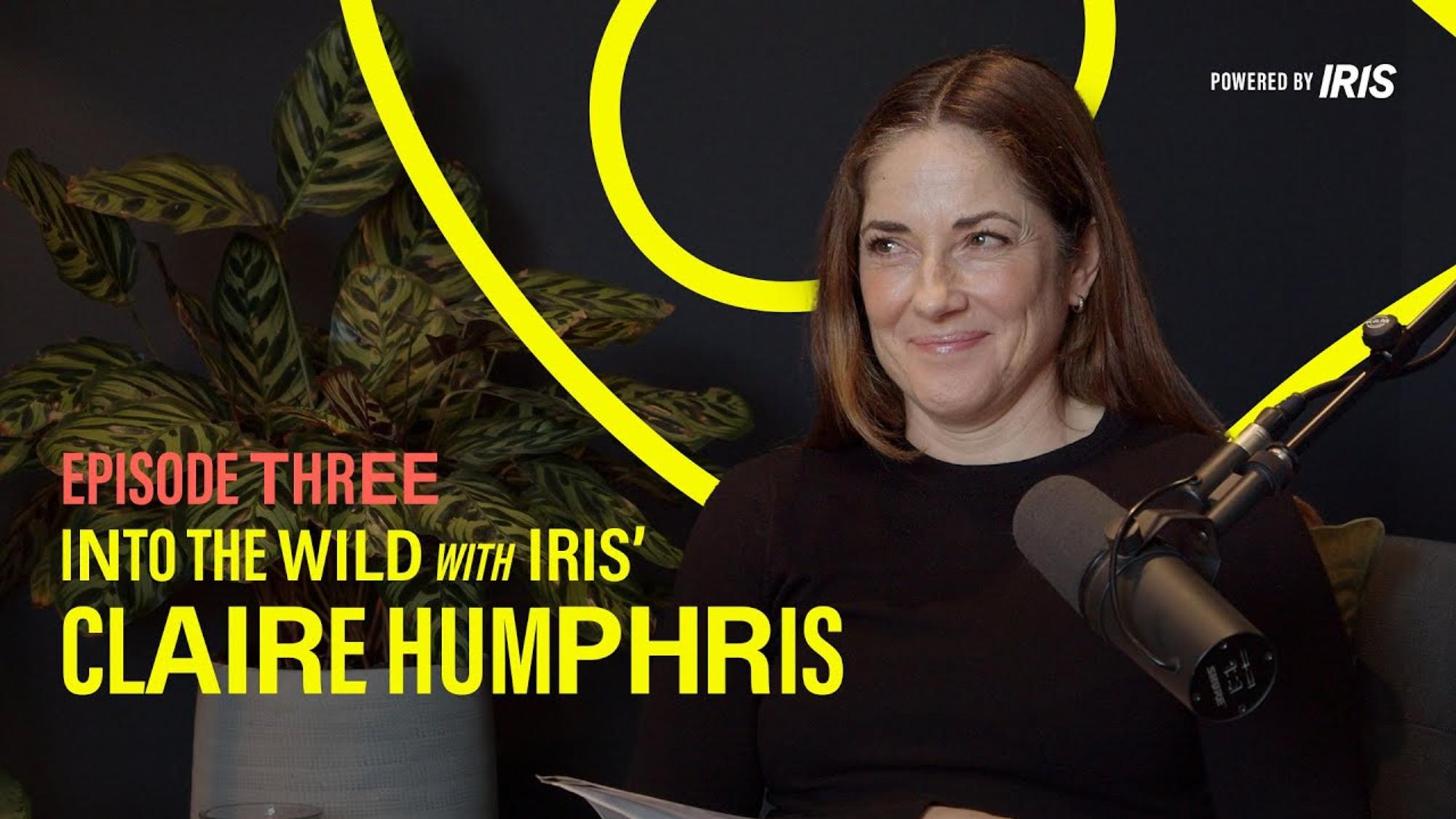
Eduardo Maruri, Iris's global Creative Chair, on backing your passions, from Ecuador to creative leadership worldwide.
1 of 5